Address
5, Elgin Rd, Sreepally, Bhowanipore, Kolkata, West Bengal 700020 Landmark - Ground floor of The Bhawanipur Education Society College

Immersive Decor Trends: How Projection Mapping and AR Are Transforming Traditional Venues
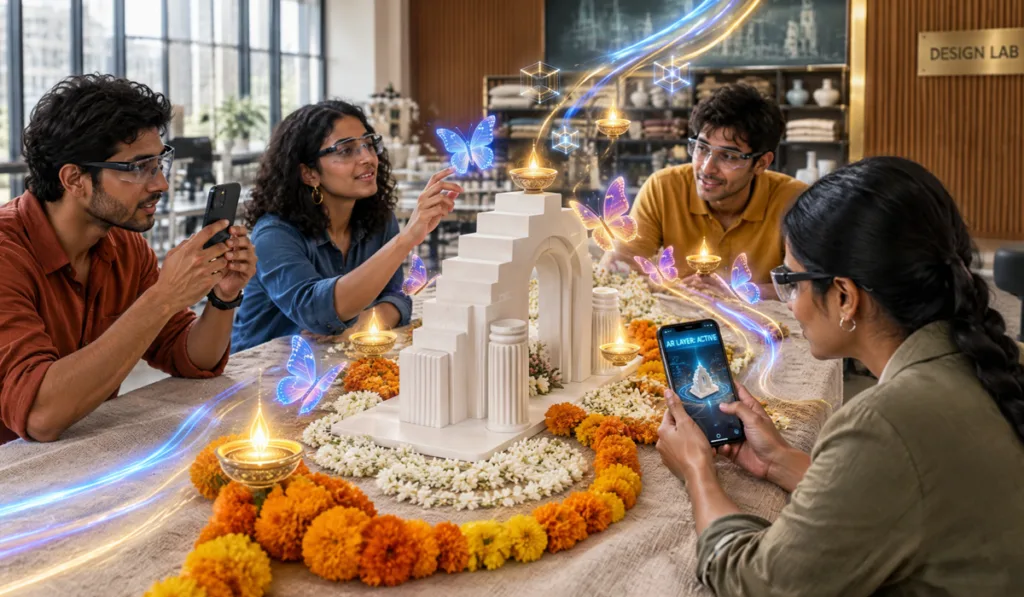
Walk into a ballroom, a heritage hall, or a simple banquet space today, and you may find that the walls are no longer walls. They ripple with moving gardens, drift through starry skies, or dissolve into scenes from a couple’s love story. Welcome to the era of immersive decor, where technology and design work together to turn ordinary venues into unforgettable experiences.
Projection Mapping: Painting with Light
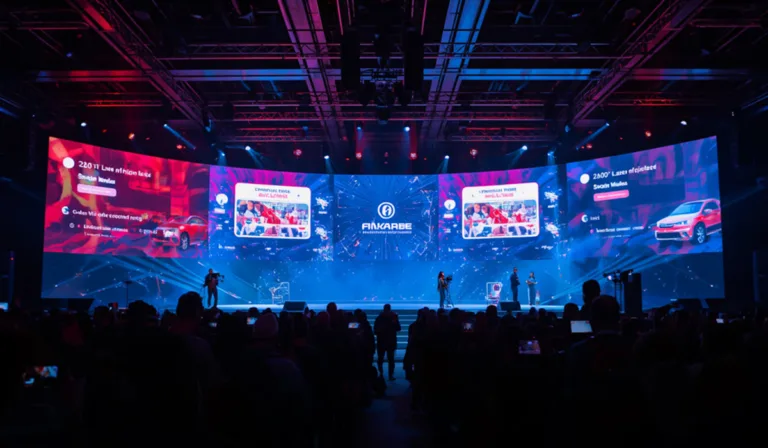
Projection mapping uses specialised software and high-powered projectors to cast video and animation onto physical surfaces, adapting the visuals to the exact shape of the space. Unlike a flat screen, the projection wraps around pillars, climbs staircases, and follows the curves of arches, so the architecture itself becomes the canvas.
For event planners, this is a game-changer. A plain white wall can become a bamboo forest for a wedding reception, a glowing circuit board for a product launch, or a cascade of marigolds for a festive celebration. Because the visuals are digital, the mood can shift within minutes. Your venue can move from a calm welcome lounge to a vibrant dance floor without a single physical prop being moved.
Augmented Reality: Layering a Digital World
Where projection mapping transforms the space itself, augmented reality adds a layer on top of it. Guests simply point their smartphones or wear AR glasses to reveal hidden elements: floating lanterns above the dining tables, an animated mascot greeting visitors at the entrance, or interactive displays that tell the story behind the venue’s history.
AR also turns guests into participants. Scavenger hunts, virtual photo booths, and personalised table experiences encourage people to explore, play, and share. Every shared clip becomes an organic promotion for your event.
Why Traditional Venues Benefit Most
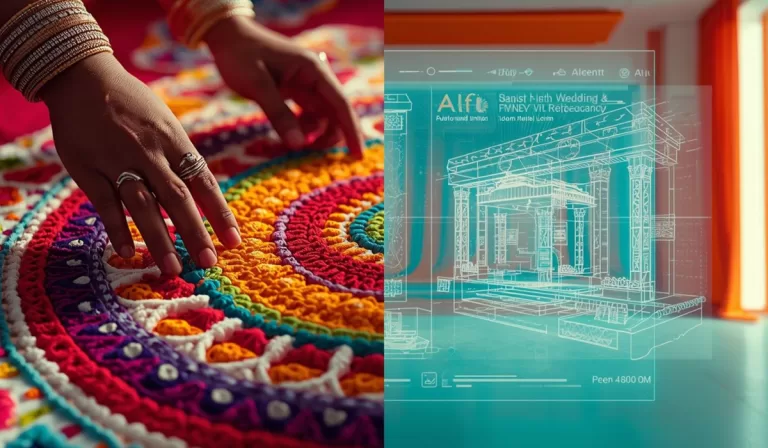
Historic buildings, community halls, and older banquet spaces often come with design limitations. Structural changes may be restricted, and heavy decor can be costly or impractical. Immersive technology offers a gentle, non-invasive solution. Nothing is drilled, painted, or permanently altered, yet the transformation is dramatic.
There are practical advantages too:
- Flexibility: One setup can support multiple themes across different events.
- Sustainability: Digital decor reduces the waste from single-use props, flowers, and printed backdrops.
- Cost efficiency: Over time, reusable content can cost less than repeatedly building physical sets.
- Personalisation: Names, photos, logos, and colour palettes can be customised easily.
Tips for Getting It Right
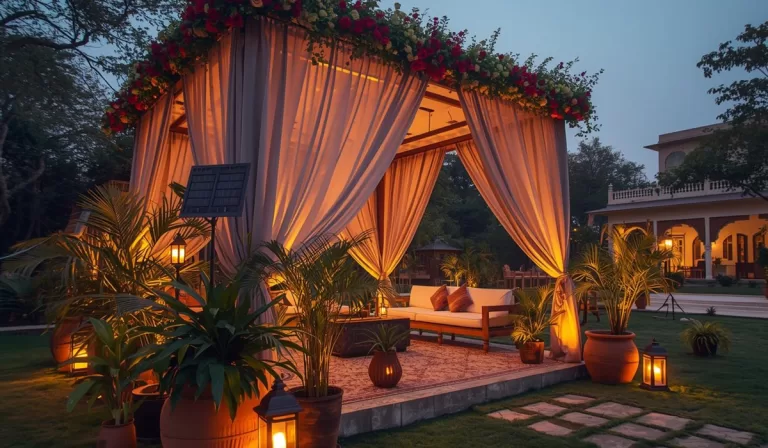
Technology should enhance the occasion, not overwhelm it. Start with a clear theme and let the visuals support the story you want to tell. Consider ambient lighting, since projection works best in controlled light. Work with experienced technicians who can scout the venue in advance, and always plan for sound design, because visuals and music together create real immersion. Finally, balance the digital with the tactile. A few well-chosen physical elements, such as textured linens or fresh florals, ground the experience and make it feel complete.
The Future Is Immersive
As equipment becomes more affordable and software more intuitive, immersive decor is moving from luxury novelty to mainstream expectation. Couples, brands, and organisers increasingly want experiences that feel personal, shareable, and memorable.
If you are planning your next celebration or corporate event, consider asking not just what your venue looks like, but what it could become. With projection mapping and augmented reality, the only real limit is imagination.