Address
5, Elgin Rd, Sreepally, Bhowanipore, Kolkata, West Bengal 700020 Landmark - Ground floor of The Bhawanipur Education Society College

The Future is Hybrid: Why the most successful events in 2026 are combining physical attendance with virtual accessibility.
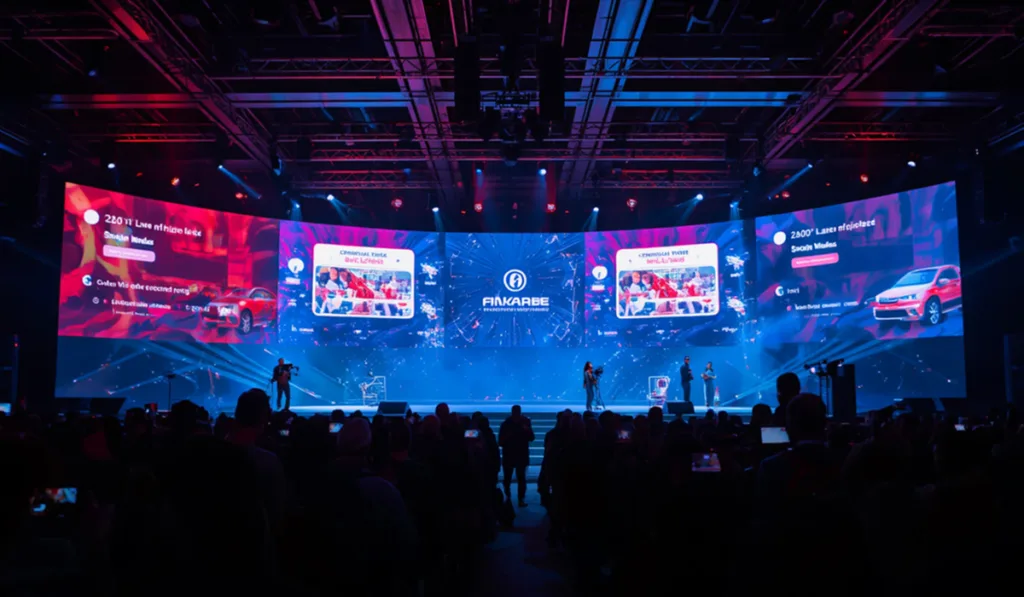
The event industry is changing with technology, and the way people attend events is changing too. In 2026, hybrid events are becoming a popular choice for organisers who want to reach a larger audience while still creating a strong on-ground experience.
A hybrid event brings together two types of audiences — people attending at the venue and people joining virtually. When planned well, it allows organisers to combine the personal experience of a physical event with the convenience and reach of a virtual platform.
What is a Hybrid Event?
A hybrid event is an event that allows people to participate both physically and virtually. Some attendees may be present at the venue, while others join through live streaming, video conferencing, or a dedicated online event platform.
Hybrid events can be used for many different types of events, including:
- Conferences and business meetings
- Workshops and training sessions
- Product launches
- Exhibitions and trade shows
- Seminars and panel discussions
- Award ceremonies
- Educational events
- Entertainment and cultural programmes
For example, a business conference may have hundreds of people attending physically while professionals from different cities or countries join selected sessions online.
The main aim is to create an experience where both audiences can participate in a meaningful way. Virtual attendees should not feel like they are simply watching from outside. Features such as live chats, polls, Q&A sessions, and virtual networking can help them become an active part of the event.
Why Are Hybrid Events Becoming Popular?
- Reach a Larger Audience
One of the biggest advantages of a hybrid event is its ability to reach more people.
A physical event is usually limited by factors such as venue capacity, location, travel costs, and time. Not everyone who is interested in attending can travel to the venue.
By adding a virtual option, organisers can connect with people from different cities, states, and even countries. Someone who may not be able to attend physically can still watch a keynote session, participate in a workshop, or connect with other attendees online.
This makes hybrid events especially useful for conferences, educational programmes, corporate events, and product launches where the target audience may be spread across different locations.
- More Flexibility for Attendees
Every attendee has different schedules, responsibilities, and travel options. A virtual option gives people more flexibility in deciding how they want to participate.
Some people may prefer the complete experience of attending an event physically. Others may only be interested in specific sessions and find it easier to join online.
For example, an attendee may not be able to spend an entire day travelling to and from a conference venue but can still join important sessions virtually.
This flexibility can make events more accessible and convenient for a wider audience.
- Physical Events Continue to Offer a Unique Experience
Even with the growth of virtual events, physical experiences continue to be important. Being present at a venue creates a level of connection that a screen cannot completely replace.
Face-to-face conversations, networking, live performances, venue design, activities, and the overall atmosphere are some of the reasons people still prefer attending events physically.
This is why hybrid events can be valuable. They do not replace physical events; instead, they add another way for people to participate.
- Technology Makes Events More Interactive
Technology is one of the most important parts of a successful hybrid event.
Live streaming allows virtual attendees to follow the event in real time. However, simply watching a screen for several hours may not always keep people interested.
Event organisers can make the virtual experience more engaging by using:
- Live polls and surveys
- Q&A sessions
- Online chats
- Virtual networking rooms
- Interactive games and activities
- Event apps
- Digital schedules and notifications
- Online feedback forms
These features allow virtual attendees to interact with speakers, hosts, and other participants.
At the same time, technology can also improve the experience of physical attendees. Event apps can help people access schedules, speaker information, venue maps, and important updates.
The key is to use technology in a way that makes participation easier and more engaging.
- Better Planning and Coordination Are Required
Managing a hybrid event requires careful planning because organisers are working with two audiences at the same time.
The event team needs to think about the experience of people at the venue as well as those joining online. Technical equipment, cameras, microphones, internet connection, lighting, streaming platforms, and technical support all need to be planned in advance.
The event schedule should also include opportunities for virtual attendees to ask questions, participate in discussions, and interact with speakers.
- Communication Becomes More Important
Clear communication is essential when managing a hybrid event.
Physical and virtual attendees may receive different instructions, so organisers need to make sure that everyone knows where to go, how to join, and what to expect.
Virtual attendees should receive joining links, schedules, technical instructions, and reminders before the event. Physical attendees should receive information about the venue, reporting time, registration process, and other important details.
During the event, regular updates can help both audiences stay informed.
Good communication ensures that the event experience feels smooth and organised from beginning to end.
The Future of Events
Hybrid events are more than just a temporary trend. As technology continues to improve, combining physical and virtual experiences can make events more accessible, flexible, and engaging.
For event professionals, learning how to manage both physical and virtual audiences will become an important skill. The ability to create a smooth experience for everyone, regardless of how they attend, can make an event more successful.
The future of events is not about choosing between physical and virtual. It is about bringing both together to create experiences that connect more people, in more places, without losing the human element of events.